How many times will MLB threaten a minor league city and then walk back that threat when the deadline passes?

As I wrote about in a previous story, sports owners love to act as if they need everything, and they need it right now. Just look at Philadelphia right now. Their mayor spent months coming to an agreement with the 76ers on a new arena. Yet, while most of the agreement CONTINUES to be secret, local officials who are required to sign off on this agreement, have been given not even 3–4 weeks to review everything.
Global Sports Matter gives more examples of this type of behavior:
“The Buffalo Bills deal…was deliberately timed to drop at the last possible moment in the legislative session, belatedly added to the state budget two months after New York Gov. Maryl’s preliminary budget contained no stadium funding. The Maryland subsidy package (giving money to the Ravens & Orioles) was likewise approved amid a flurry of final-weekend legislative moves, with little public notice. With few legislative hearings on the bills, there were scant opportunities for members of the public to express their opinions…If the public had, the subsidies might have been a much tougher sell. An after-the-fact poll of New York state voters found that they opposed the Bills deal by a whopping margin of 63 percent to 24 percent, with opposition consistent across both parties and all parts of the state” — Global Sports Matter, 06/22/22
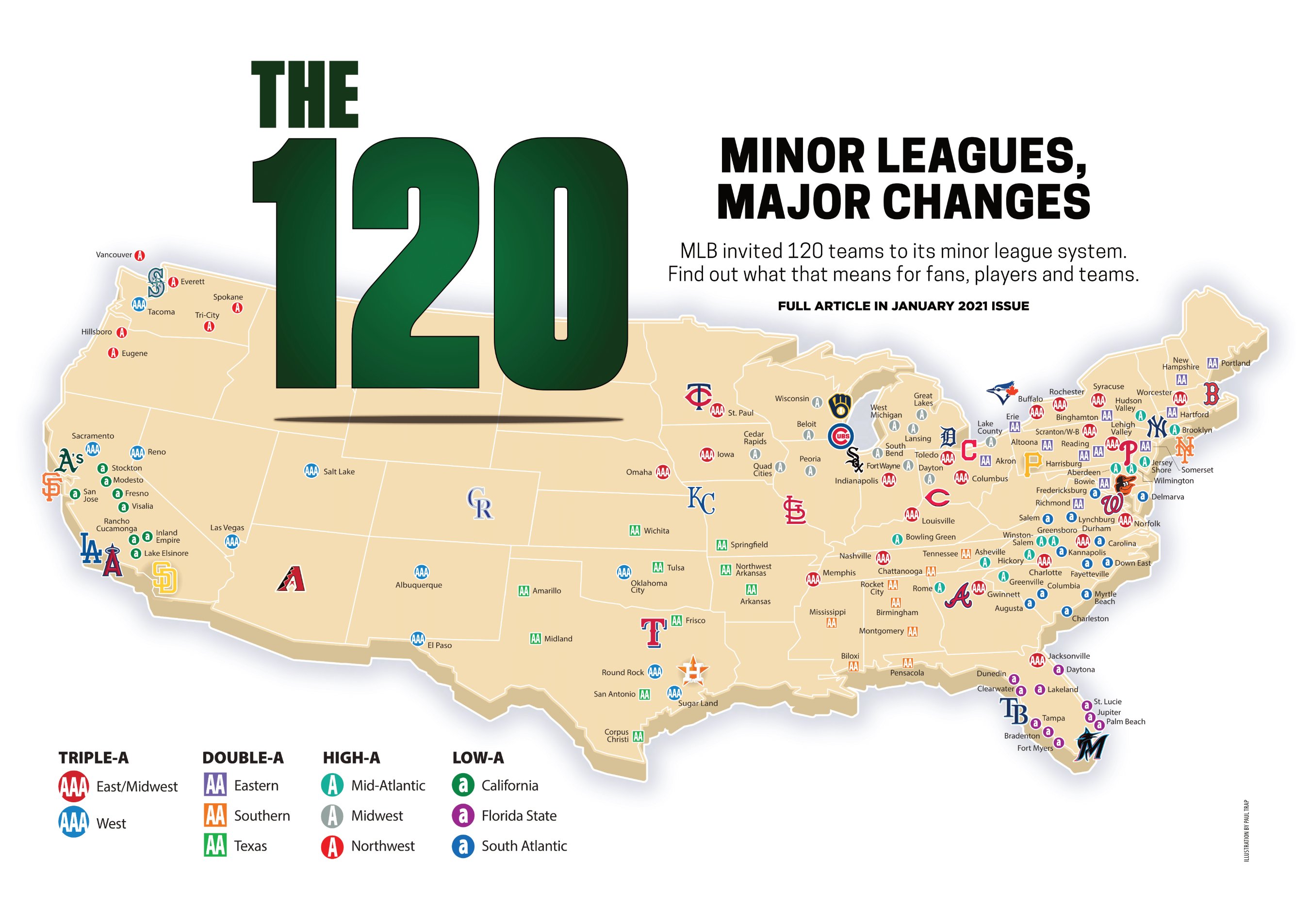
Lately, we have seen virtually every minor league team tell their local jurisdictions that they require millions of taxpayer dollars for upgrades to their ballparks. They require it quickly too because Major League Baseball has given us a date…or else! This forced many cities to give money to the teams without much, if any, examination of the actual details. As Ballpark Digest noted in a story, this is why a number of minor league teams (Knoxville, Hillsboro, and Salt Lake City) got new ballparks.
Who will pay for these upgrades or new ballparks?
Many of these projects will be planned, designed, and financed by city and county ballpark owners. “By and large, these are not going to be costs borne by MiLB team owners, but rather by ballpark municipal owners…Generally speaking, municipalities pay for permanent physical improvements” — Ballpark Digest, 11/02/20
However, it became rather clear, that these so-called dates really meant nothing early on. For months, the owner of the Richmond Flying Squirrels was pleading with the city to give the team money quickly or else they would go up against some arbitrary date given by MLB officials. But the deadline passed and nothing happened. Then MiLB wrote a letter stating that the deadline they previously gave “may not be totally firm”. It took several more years for Richmond to agree on a deal for a new ballpark. But the team somehow stayed, even after missing a number of other so-called deadlines.

In Spokane, their minor league team, the Spokane Indians Baseball Club, was given a deadline of the start of the 2023 season to finish almost $17 million dollars of “MLB-required upgrades”. The deadline passed and MLB gave the team a “waiver for missing upgrades for the opening day 2023 season deadline”. Now the deadline is the start of the 2024 season! The deadline passed and MLB gave the team a “waiver for missing upgrades for the opening day 2023 season deadline”. Now the deadline is the start of the 2025 season! This time, the city agreed with the team to pay for a portion of the upgrades. The Everett AquaSox missed several ballpark deadlines from MLB. The owner admitted at a meeting with city officials that MLB was “figuratively screaming” at the team to “show something” with the status of negotiations between the team and the city.
In San Antonio, we are seeing this exact situation play out. For months, the owner of the local minor league team told city leaders that there was an October 15, 2024, deadline by MLB to get a deal done for either massive upgrades to the current venue or a new ballpark. Apparently, MLB looked at the current ballpark and “considered (it) inadequate by today’s MLB standard”. What if the city does nothing? Well, San Antonio “could lose the team, according to the owners”. But the deadline did pass. Today is November 13th, 2024. The team continues trying to purchase the last piece of land needed to build a new ballpark.

As the San Antonio Current asked recently:
“Neither the San Antonio Missions, Weston Urban nor the San Diego Padres — the Missions’ MLB affiliate — has responded to the Current’s request to clarify why the deadline has passed without the team losing its affiliation” — San Antonio Current, 11/14/24
As of today, the owners continue to negotiate with the San Antonio Independent School District on buying the land. No comments from the team or MLB about why this magic deadline was in place to start with. I am just happy that city leaders are talking publicly every once in a while about this deal. Normally, local leaders in this area say nothing because they are locked into absurd non-disclosure agreements put in place by the Spurs.
Back to MLB. The number of stories continues to grow where MLB gives a deadline, and then it passes and absolutely nothing comes of it. MLB gave the minor league team in Asheville, Tennessee, until April 1, 2013, to figure out how to get $30 million dollars of upgrades to the ballpark. It passed, and they came to an agreement…in August of the following year. Cities should learn that when MLB provides a date, MLB is really just asking the team to talk to the local area and see if something can get done in the near future.