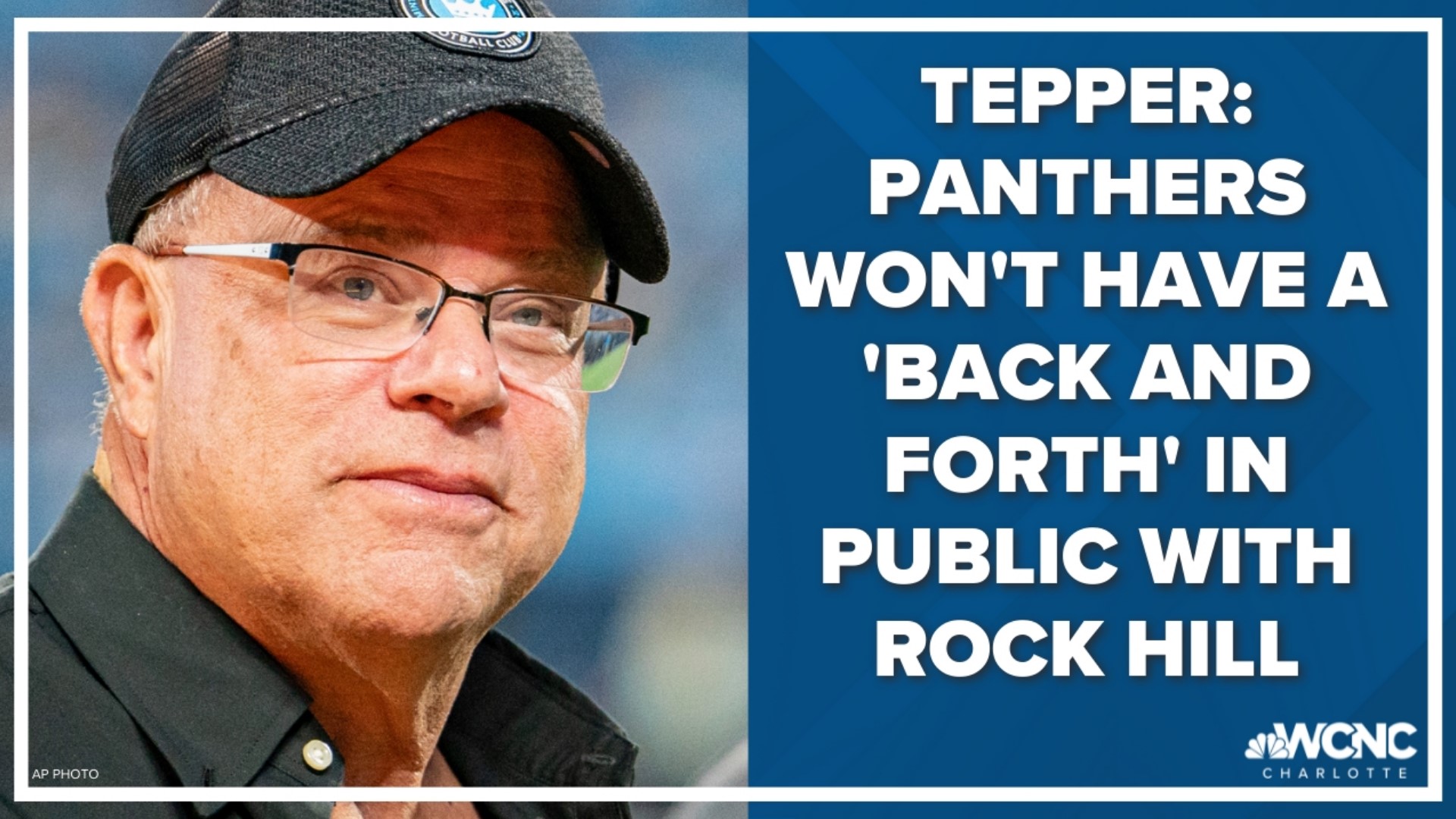
Carolina Panthers officials swear their economic impact numbers are real, they just can’t prove it

Whenever a sports team is asking a city/state for taxpayer money, one of their first moves is to hire a company to write up an economic impact report. The report will claim that a new/upgraded sports venue will bring in trillions to the area. Center Square has written stories about how common it was for sports teams to hire a “marketing firm to put together an economic impact paper that will show how the project is good for the community”.
In Arizona, the local NHL team wanted a new arena and tried to get public support with their own report:
“In an attempt to swing the ballot referendum their way, the team and its boosters are wielding economic impact studies to claim that the Coyotes’ new arena and connected district will bring in far more money than the dollars that will be shipped out in tax breaks. This is an incredibly common practice during sports subsidy battles: trot out an official study that makes it seem like no one can lose when the public pays for a sports arena. However, the dirty secret is that those studies are nearly always ridiculous, put together by consulting firms with huge conflicts of interest that fly all over the country, adding fluffy economic impact numbers to potential stadium projects that have no basis in reality.” — PublicSeminar.org, 05/2023
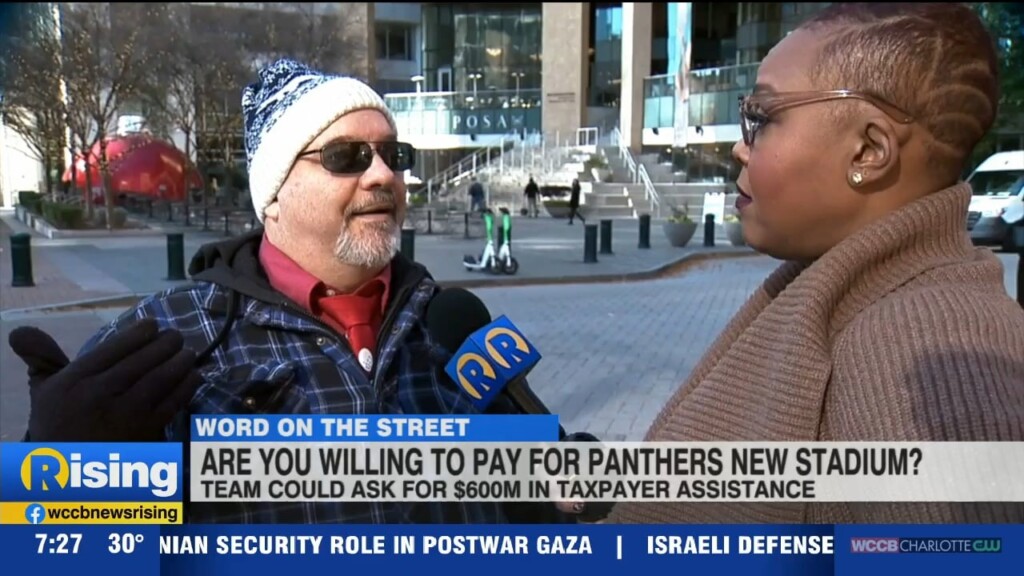 — WCCB
In Oklahoma City, the NBA team wanted $900 million for a new arena. What did they do? They had the mayor and other local leaders “lean on a commissioned report saying a new arena will pay great dividends for the city”. One of the many issues with this report was just how badly it was written. It was done so poorly that 21 professors at Oklahoma universities felt a need to write a letter opposing the report: “The discrepancies between such consulting reports and the analysis of actual outcomes are well known… The report, itself, includes a disclaimer clearly stating that the estimates of possible impacts are not likely to be accurate.”
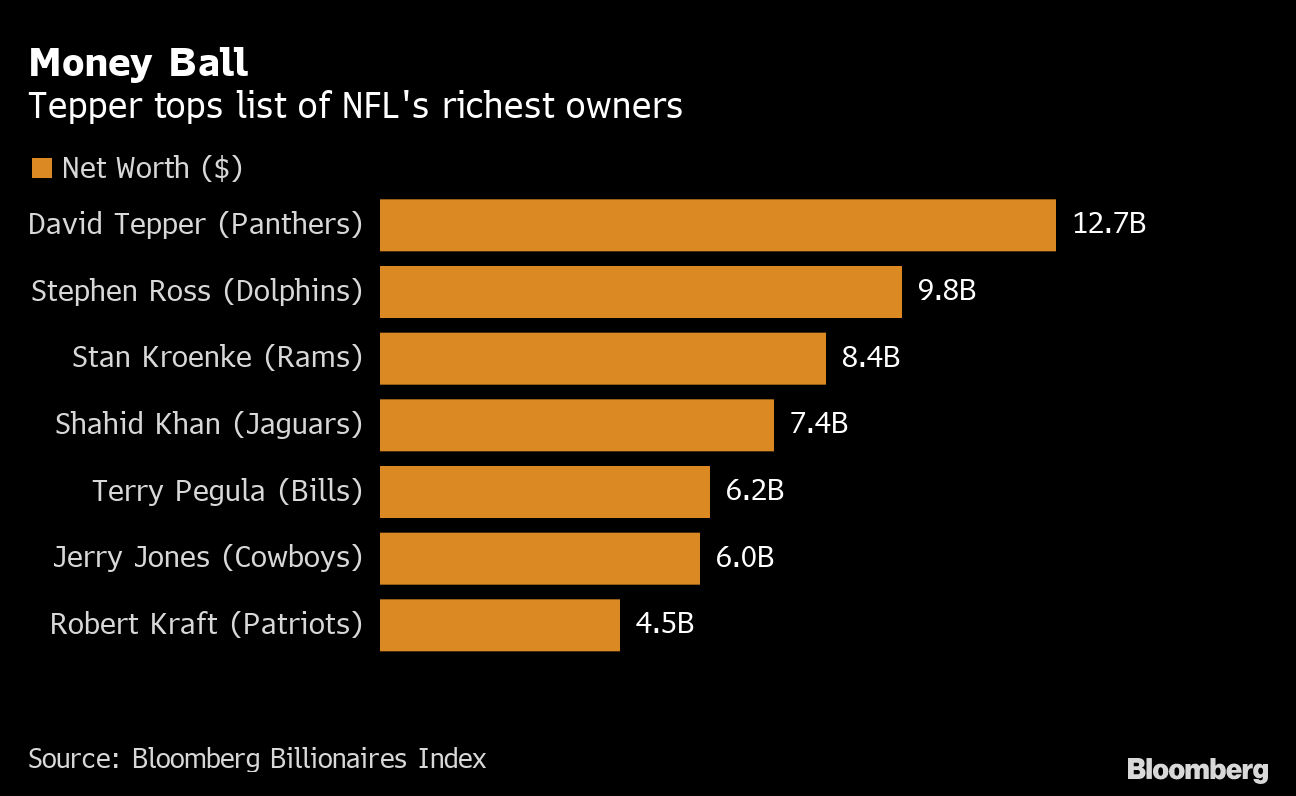
Several weeks ago, the Carolina Panthers were given $650 million by the city of Charlotte to renovate their current NFL stadium. Nevermind that the Panthers owner has a less-than-perfect history of following through on commitments (then refuses to talk about it publicly). Nevermind that he is one of the richest men in the entire world. Maybe one of the worst owners too, but that is for another time. Anyway, since the deal was approved several weeks ago, some city leaders have been getting public pushback on their approval of it. This was the biggest public investment in Charlotte’s history. As a result, several local leaders have been going around different media outlets and explaining why they voted to approve this giveaway.
 — Bloomberg
Keep in mind that these are the REASONS FOR THE APPROVAL.
- Several city councilmen claimed that they approved it because the NFL stadium had created $1.2 billion “for the Charlotte metro area in 2023”
- Others say that they approved the deal because the city would see $22 billion in “total economic impact”.
As the Charlotte Observer reminded their readers, “many council members” claimed that the “primary factor driving their support of the renovations was the potential economic impact”. Just one slight problem. These numbers were given to the city and public from a study that the team itself commissioned. The team refuses to share it with the public. Even worse, the Charlotte Observer found out that “some city council members” requested the study and never got it. When the Charlotte Observer pushed to get access to the full study, the team gave them just an executive summary, essentially a broad overview. After asking again for a full copy, the team claimed that they couldn’t release it due to “confidential and proprietary information”. What a crock of ####. The team must have forgotten to tell everyone that the report mandated that every single fan spend an extra $1000 PER GAME.
 — WBTV
“Economists don’t tend to agree on much of anything… But if there is one thing that we actually do agree on, it’s that spending on sport stadiums in terms of direct economic benefits — they really just don’t pan out relative to what the size of the expenditures are” — Fred Smith, economics professor at Davidson College, Carolina Business Journal, 06/2024
The Observer’s story was a good one and rightfully reminds its readers that renovated sports venues don’t produce anywhere near these projections. Hell, new stadiums don’t bring in these types of absurd economic impact numbers. I did love the UNC Charlotte economic professor asking, “How do you get to $1 billion of economic impact by having a new Jumbotron?”. Several months ago, the Atlantic noted that sports subsidies were increasing, not decreasing, even though we now have “three decades’ worth of evidence” that shows how little cities/states actually receive from these types of deals.
 — WBTV
What are we left with? Well, did the team and city pinky swear to these numbers? If not, it looks like the city of Charlotte will be dealing with the same financial issues as many other cities making similar deals. Even though more studies continue to be released showing no economic gains for the taxpayer in these venue deals, local governments will “continue to fork over massive amounts of taxpayer dollars” for almost no gain to the taxpayers.